
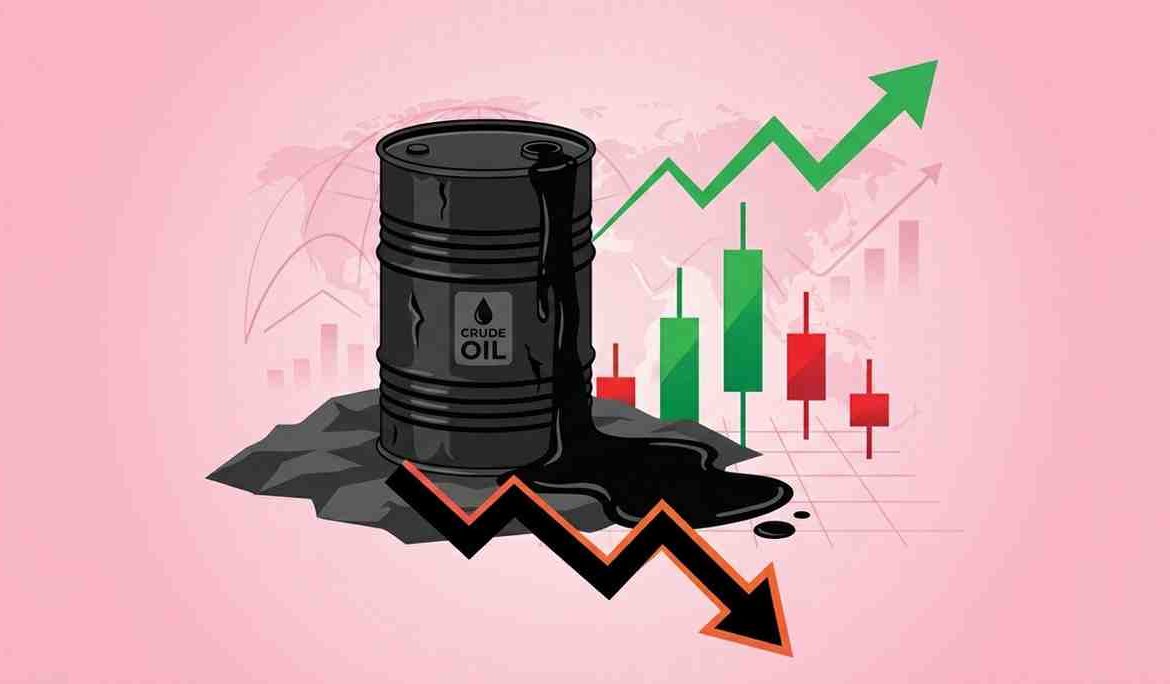
Winners and Losers: Long-Term Stock Market Impact of Crude Oil Price Cycles
Winners and Losers: Long-Term Stock Market Impact of Crude Oil Price Cycles
Crude oil prices are one of the most powerful macroeconomic drivers influencing the Indian stock market. As a country that imports nearly 85% of its crude oil requirement, India is highly sensitive to oil price cycles.
For investors, understanding how these cycles impact different sectors can unlock long-term portfolio opportunities rather than just short-term trades.
Understanding Crude Oil Price Cycles
Crude oil typically moves in multi-year cycles driven by:
- Global demand (economic growth trends)
- Supply controls by OPEC+
- Geopolitical disruptions
- Currency movements (USD strength)
Historical Context
- 2020: Prices collapsed below $20/barrel (pandemic shock)
- 2022: Prices surged above $120/barrel (Russia-Ukraine conflict)
- 2023–2025: Range-bound volatility between $70–$95
These cycles create clear winners and losers in equities.
Long-Term Winners During Rising Oil Price Cycles
- Oil & Gas Exploration (Upstream)
Higher crude prices directly improve realizations.
Example:
- ONGC saw earnings expansion during high oil price periods due to better crude realizations
- Oil Marketing & Refining (Selective Benefit)
Refiners can benefit from higher refining margins (GRMs) during certain phases.
Example:
- Indian Oil Corporation (IOC) margins improved during specific upcycles
- Renewable Energy & Energy Transition
Sustained high oil prices accelerate adoption of:
- Solar energy
- EV ecosystem
- Green hydrogen
Trend Insight:
Global clean energy investment crossed $1.7 trillion in 2023 (IEA data), partly driven by fossil fuel volatility.
Long-Term Losers During Rising Oil Prices
- Aviation Sector
Fuel contributes 30–40% of operating costs.
Example:
- Indian airlines often report margin compression during oil spikes
- Paint & Chemical Companies
Crude derivatives form a large portion of raw materials.
Example:
- Paint companies face margin pressure when crude-linked inputs rise
- Logistics & Transportation
Fuel cost volatility directly impacts profitability.
Winners During Falling Oil Prices
- Aviation & Logistics
Lower ATF (aviation turbine fuel) improves margins significantly.
- FMCG Sector
- Lower packaging + transport costs
- Improved operating margins
- Cement & Infrastructure
Energy accounts for 20–25% of production costs, making these sectors highly sensitive to oil prices.
Losers During Falling Oil Prices
- Upstream Oil Companies
Revenue declines with falling crude prices.
- Oil Export-Oriented Economies
Indirect impact on global liquidity and demand.
Sector Rotation Strategy for Investors
Crude oil cycles often trigger sector rotation:
| Oil Trend | Likely Outperformers |
| Rising Prices | Energy, Oil & Gas |
| Falling Prices | FMCG, Aviation, Infrastructure |
Indian Macro Linkages
Crude oil impacts India through:
- Inflation: Higher oil → higher CPI
- Fiscal Deficit: Increased subsidy burden
- Current Account Deficit (CAD): Worsens with high import bill
- Rupee Pressure: Depreciation risk
These macro factors directly influence stock valuations.
Risks & Variables to Track
- OPEC+ policy changes
- Geopolitical conflicts
- INR vs USD movement
- Government interventions (fuel taxes, subsidies)
- Energy transition policies
Future Outlook
- Gradual shift toward renewable energy
- Continued oil demand from emerging markets
- Persistent volatility rather than stable trends
Investor Insight: Hybrid strategies (energy + consumption sectors) may outperform.
Conclusion
Crude oil price cycles create predictable patterns in sector performance. While energy stocks benefit from rising prices, sectors like aviation and FMCG gain during declines.
The key to long-term investing is not predicting oil prices—but understanding their sectoral ripple effects and positioning portfolios accordingly.
About GigaPro: Beyond basic trading, GigaPro mobile trading app equips users with a suite of advanced features to enhance their trading strategies. Download the app today to start your trading journey on your Android device: (Download GigaPro Mobile App) or on your Apple device: (Download GigaPro Mobile App).
Sources and Official References
Securities and Exchange Board of India
Association of Mutual Funds in India
NSE Indices Limited
BSE Limited
Related Blogs:
How Global Commodity Prices Influence Quoted Prices in India
How Quoted Prices Are Determined in Commodity Exchanges
What is Quoted Price in Commodity Trading?
What is Commodity Trading?
How to Diversify Your Portfolio with Commodities: A Strategic Approach
The Rising Appeal of Commodities for Indian Investors
Top Strategies and Tips for Maximizing Profits in Commodity Trading
Different Types of Commodities and Their Trading Characteristics
Beyond Stocks: Exploring the World of Commodities
Diversification Strategies: Combining Commodities and Equities
Commodity vs Equity Market: A Beginner’s Guide to Understanding the Differences
What are Commodities? Understanding the Basics
Why Energy Commodities Deserve a Spot in Your Indian Investments
Disclaimer: This blog post is intended for informational purposes only and should not be considered financial advice. The financial data presented is subject to change over time, and the securities mentioned are examples only and do not constitute investment recommendations. Always conduct thorough research and consult with a qualified financial advisor before making any investment decisions.
How do crude oil prices affect the Indian stock market?
Crude oil impacts inflation, currency, and corporate costs, influencing sector-wise stock performance.
Which sectors benefit the most from rising oil prices?
Oil & gas exploration and renewable energy sectors typically benefit.
Why do airline stocks fall when oil prices rise?
Fuel costs make up a large portion of operating expenses, reducing profitability.
What is sector rotation in oil cycles?
It refers to shifting investments between sectors based on oil price trends.
What is the long-term outlook for oil-sensitive sectors?
Volatility will continue, but energy transition sectors are expected to gain prominence.