
What Can Investors Learn from a Company’s Five-Year Financial Track Record?
What Can Investors Learn from a Company’s Five-Year Financial Track Record? A company’s five-year financial track record helps investors identify long-term business tre
How Does Corporate Succession Planning Affect Long-Term Investor Confidence? Corporate succession planning is the process of identifying and preparing future leaders to ensure busi
Why Should Investors Analyze Business Segment Profitability Instead of Consolidated Revenue Alone? Consolidated revenue shows the total sales generated by a company across all its
How Do Companies Build Pricing Resilience During Economic Slowdowns? Pricing resilience is a company’s ability to maintain prices, protect profit margins, and sustain demand
What Does Asset Turnover Ratio Reveal About Business Efficiency? The Asset Turnover Ratio measures how efficiently a company uses its assets to generate revenue. A higher ratio gen
What Role Does Corporate Culture Play in Long-Term Business Performance? Corporate culture is a company’s shared set of values, ethics, behaviors, and management practices th
How Do Capacity Utilization Levels Influence Future Capital Expenditure Decisions? Capacity utilization is one of the most important indicators businesses and investors monitor whe
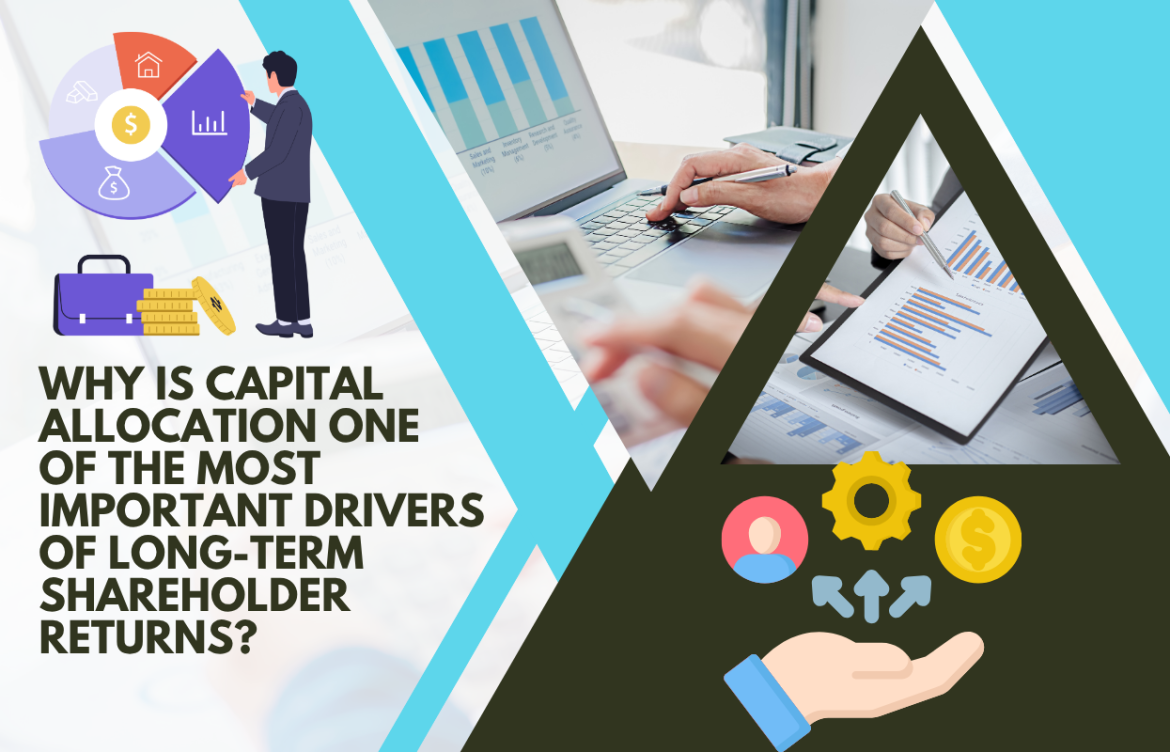
Why Is Capital Allocation One of the Most Important Drivers of Long-Term Shareholder Returns? Capital allocation is the process by which management decides how to use a companyR
Understanding Supply Chain Risks: What Every Investor Should Know In today’s interconnected world, companies don’t operate in isolation—they rely on complex networks of suppl
How to Spot Signs of Corporate Debt Stress In the world of investing, debt can be both a tool for growth and a trap for destruction. While prudent borrowing helps companies expand