

How Preventive Healthcare Trends Are Shaping Pharma Stocks in India
How Preventive Healthcare Trends Are Shaping Pharma Stocks in India
Over the last decade, India’s healthcare conversation has gradually shifted from treatment to prevention. Regular health check-ups, early diagnosis, vaccination programmes, wellness screening, and lifestyle management are no longer niche concepts limited to urban hospitals. They are becoming part of mainstream healthcare behaviour. These preventive healthcare trends in India are not only influencing how individuals manage their health, but also how pharmaceutical companies position themselves for long-term growth.
Thank you for reading this post, don't forget to subscribe!For investors researching pharmaceutical stocks in India, understanding this structural shift is increasingly important. Rather than focusing only on short-term demand cycles or regulatory headlines, preventive healthcare offers a broader lens to analyse how the pharma sector is evolving.
Understanding Preventive Healthcare
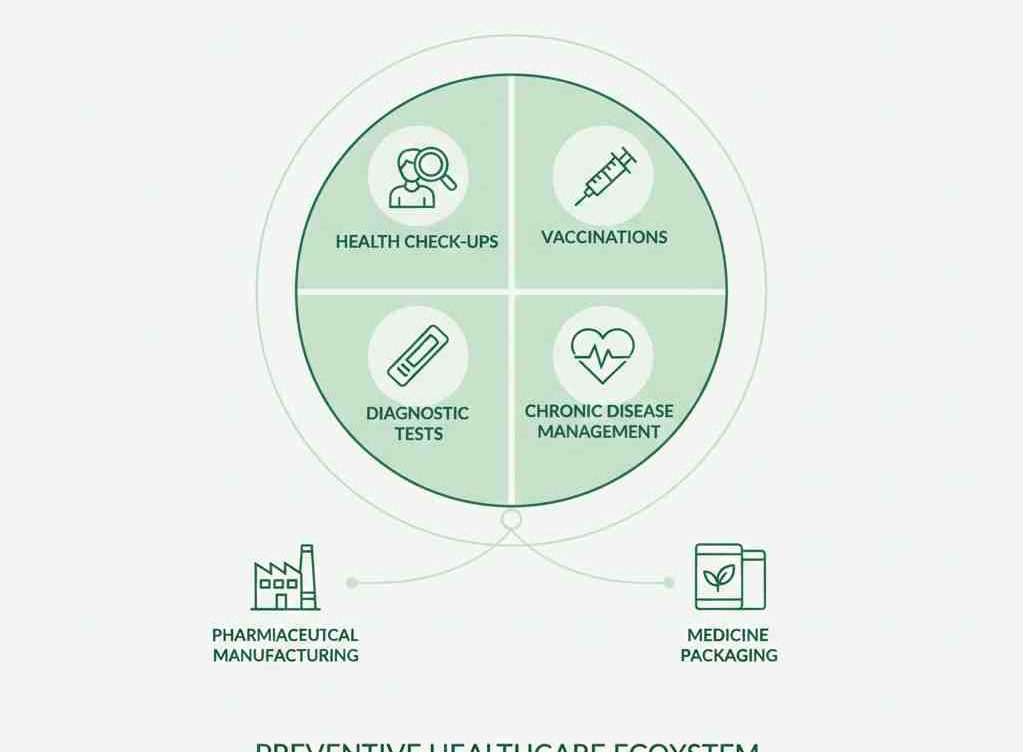
Preventive healthcare focuses on reducing the risk of illness before symptoms become severe. This includes vaccinations, routine diagnostic tests, chronic disease screening, nutraceuticals, and long-term medication adherence for lifestyle-related conditions.
In India, several factors are accelerating this shift:
- Rising life expectancy and ageing demographics
- Growing incidence of lifestyle-related diseases such as diabetes and cardiovascular conditions
- Increased health awareness among middle-income households
- Expansion of health insurance coverage
- Government-led public health initiatives
Together, these drivers are shaping healthcare sector trends affecting pharma, particularly in segments linked to early intervention and long-term disease management.
Rising Healthcare Awareness and Changing Demand Patterns
One of the most visible changes in recent years has been the impact of healthcare awareness on pharma companies. Patients today are more informed about disease prevention, treatment options, and medication compliance. Digital health platforms, teleconsultations, and online diagnostics have further supported this awareness.
From a pharmaceutical perspective, this translates into:
- Steadier demand for chronic therapy drugs
- Higher emphasis on preventive vaccines
- Increased relevance of nutritional supplements and wellness products
- Focus on patient education and long-term treatment adherence
This demand pattern is structurally different from episodic or acute-care-driven consumption, making it particularly relevant when assessing long-term growth drivers for Indian pharma stocks.
Chronic Diseases and Preventive Medication
India continues to witness a steady rise in non-communicable diseases such as diabetes, hypertension, and respiratory disorders. These conditions often require lifelong management rather than one-time treatment.
Preventive healthcare does not eliminate the need for medication, but it shifts the focus toward:
- Early diagnosis
- Long-duration therapies
- Combination drugs designed for long-term use
For pharmaceutical companies, this creates more predictable revenue streams over time. From an investor’s viewpoint, such predictability plays a role when analysing the stability and resilience of pharmaceutical stocks in India, especially across economic cycles.
Vaccination and Public Health Programmes
Vaccination remains a cornerstone of preventive healthcare. In India, national immunisation programmes and expanded adult vaccination awareness have increased the relevance of vaccine-focused pharmaceutical segments.
Beyond childhood immunisation, there is growing emphasis on:
- Influenza and pneumococcal vaccines
- Travel-related vaccinations
- Preventive doses for high-risk populations
These trends influence manufacturing capacity planning, R&D allocation, and regulatory engagement for pharma companies. As a result, vaccines are often discussed as part of broader healthcare sector trends affecting pharma, rather than as standalone products.
Diagnostics, Screening, and Pharma Synergies
Preventive healthcare relies heavily on diagnostics and routine screening. While diagnostic companies operate in a different segment, their growth indirectly affects pharmaceutical demand.
Earlier detection of conditions often leads to:
- Earlier initiation of drug therapies
- Longer treatment durations
- Greater focus on maintenance medication
This linkage reinforces how preventive healthcare trends in India extend beyond hospitals and labs to shape pharmaceutical consumption patterns. Investors analysing sector-wide trends often consider this interconnected ecosystem rather than viewing pharma in isolation.
Policy Environment and Preventive Healthcare Focus
Government policy plays a meaningful role in shaping healthcare priorities. Initiatives aimed at expanding access to affordable healthcare, promoting generic medicines, and strengthening primary care infrastructure align closely with preventive healthcare goals.
From a regulatory standpoint, pharma companies operating in preventive and chronic care segments must balance affordability, compliance, and innovation. For investors, understanding this policy backdrop helps contextualise discussions around long-term growth drivers for Indian pharma stocks without relying on short-term policy reactions.
Implications for Pharmaceutical Business Models
As preventive healthcare gains traction, pharmaceutical companies are adjusting their business models in several ways:
- Increased focus on chronic therapy portfolios
- Investment in patient engagement and awareness programmes
- Expansion into wellness, nutraceuticals, and preventive supplements
- Emphasis on consistent quality and supply reliability
These shifts may not always result in rapid revenue spikes, but they can influence long-term positioning.
Preventive Healthcare as a Structural Theme
Unlike cyclical demand drivers, preventive healthcare tends to evolve gradually. Behavioural changes, awareness levels, and policy support build over time. This makes preventive healthcare a structural theme rather than a short-term trigger.
For long-term observers of the sector, this theme supports discussions around:
- Revenue visibility
- Product diversification
- Sustainable demand patterns
These aspects are frequently cited when analysing long-term growth drivers for Indian pharma stocks, especially in comparison to more volatile segments of the market.
Conclusion
Preventive healthcare trends in India are reshaping how healthcare is consumed and delivered, with meaningful implications for the pharmaceutical sector. Increased awareness, early diagnosis, vaccination coverage, and chronic disease management are influencing demand patterns across multiple therapy areas.
For investors seeking to understand healthcare sector trends affecting pharma, preventive healthcare offers a valuable analytical framework. It highlights why certain segments may experience steadier demand and why business models are gradually evolving to align with long-term healthcare needs.
While preventive healthcare does not remove risks or guarantee outcomes, it provides important context for evaluating pharmaceutical stocks in India in a changing healthcare landscape. As with all sectoral analysis, a balanced view that considers regulation, competition, and execution remains essential.
Related Blogs:
Pharma R&D Investments: Driving Long-Term Growth for Indian Investors
Healthcare, Pharma, and Biotech Stocks: Building a Diversified Healthcare Portfolio in India
Indian Healthcare Ecosystem: Diversification Strategies Across Pharma, Biotech, and Allied Sectors
5 Best Chemical Stocks for Long-Term Investment in India
Top 5 Chemical Stocks in India
Best Chemical Stocks in India
Best Healthcare Stocks in India
How Pharma, Biotech, and Technology are Shaping Healthcare Investments in India
Diagnosis to Treatment: Investing in the Integrated Healthcare Value Chain in India
Top 5 Healthcare Stocks in India
How Biotech Research Strengthens the Future of Indian Pharma Stocks
Best Diagnostic Device Stocks in India
Top 5 Pharma Stocks in India
Top 5 Biotech Stocks in India
Best Diagnostic Device Stocks in India
The Rise of Point-of-Care Diagnostics: Impacts on Pharma, Biotech, and Investment Opportunities in India
Healthcare Investing: A Guide to Pharma, Biotech, and Related Stocks in India
Disclaimer: This blog post is intended for informational purposes only and should not be considered financial advice. The financial data presented is subject to change over time, and the securities mentioned are examples only and do not constitute investment recommendations. Always conduct thorough research and consult with a qualified financial advisor before making any investment decisions.
What is preventive healthcare in the Indian context?
Preventive healthcare focuses on early detection, disease prevention, and long-term health management through measures such as regular health screenings, vaccinations, and lifestyle-related interventions. In India, this approach is gaining relevance due to rising health awareness and chronic disease prevalence.
How do preventive healthcare trends affect pharmaceutical stocks in India?
Preventive healthcare trends in India influence demand for vaccines, chronic therapy medicines, and wellness-related products. This can shape long-term business strategies and revenue visibility for pharmaceutical companies.
Does higher healthcare awareness benefit all pharma companies equally?
No. The impact of healthcare awareness on pharma companies varies by therapeutic focus. Firms with exposure to chronic care, preventive treatments, and long-duration therapies may be more directly influenced by these trends.
Are preventive healthcare trends a short-term or long-term factor for investors?
Preventive healthcare is generally viewed as a structural, long-term trend rather than a short-term market trigger. Its effects tend to build gradually through behavioural change, policy support, and healthcare access.
